The surface of the LUMI supercomputer looks like origami. This is a tribute to the paper mill on whose premises LUMI and several other data centres are situated. The UPM Kajaani paper mill was a reliable, long-term local employer in this northern Finnish region until it closed in 2008, leaving more than 500 people unemployed.
Since 2012, the data centre industry has been occupying the former halls and storage areas of the mill. Its spirit is still felt here: in the deserted railway lines that once carried fresh paper out, in the wooden owl installation gifted to the mill by pupils of the local school, and in the old-fashioned chairs of the former factory café that now hosts data centre workers.
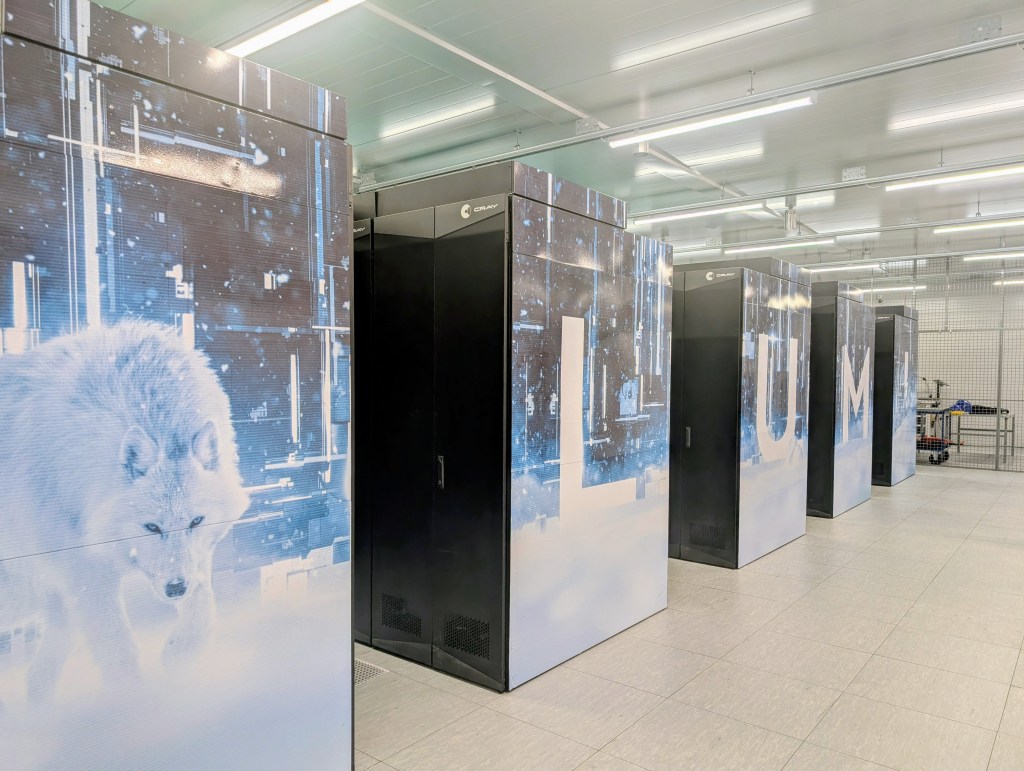
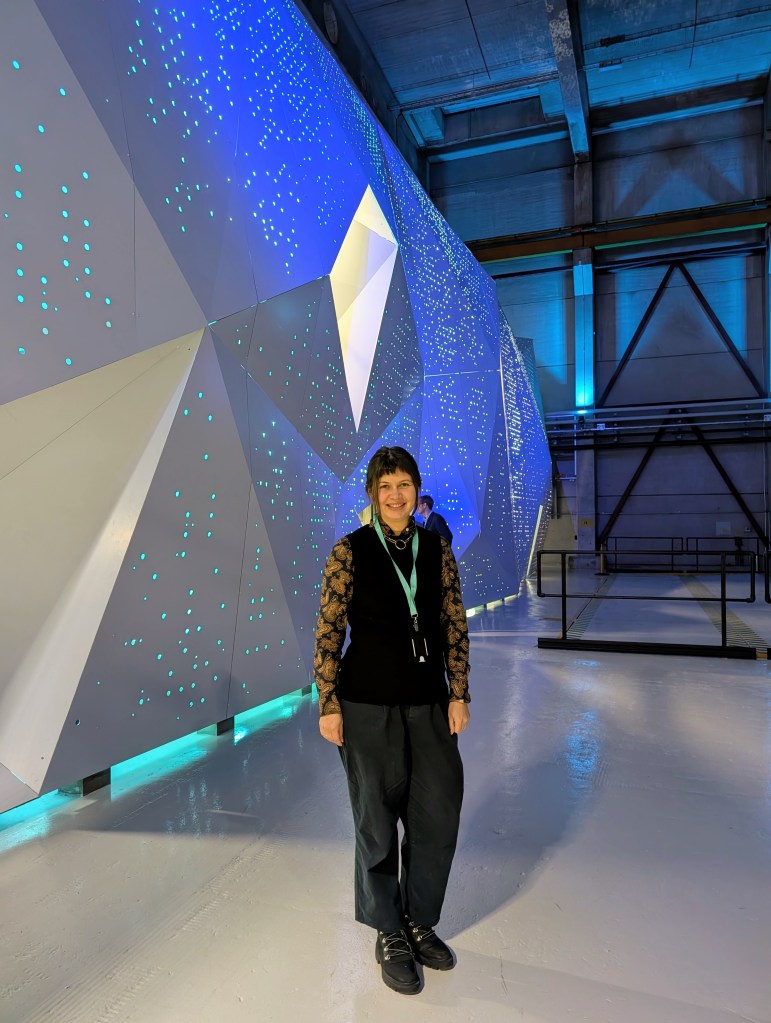
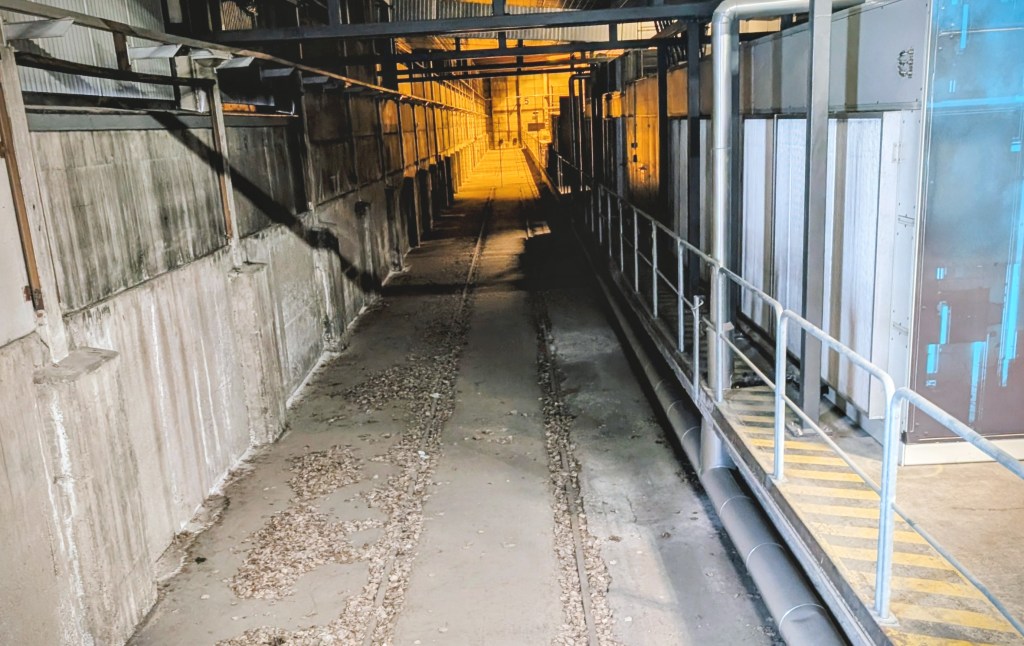
Data centres are often seen as pathways to the revitalization of former industrial areas of the North. During my visit to LUMI, its engineers proudly shared that the data centres now employ around 500 people, thus replacing the workforce that once lost their jobs. However, most of these new employees work remotely and in many cases never encounter the physical environment of their workplace. With data centres, the product and the nature of employment are not fully visible, echoing the often-used cloud metaphor.
These infrastructures are, of course, not weightless clouds. They carry environmental impacts, and they are not permanent. Even at the peak of development, the possibility of future abandonment remains, leaving communities to face potential losses once again.
Origami begins with a blank sheet of paper but can unfold into many forms, shaped by the creator’s vision. We will see how Arctic data centres evolve: will they contribute to community revival, or deepen the harms already produced by earlier industrial development?
 Anna Niia Varfolomeeva
Leave a comment