Author: annavarf

  • Unfolding digital futures

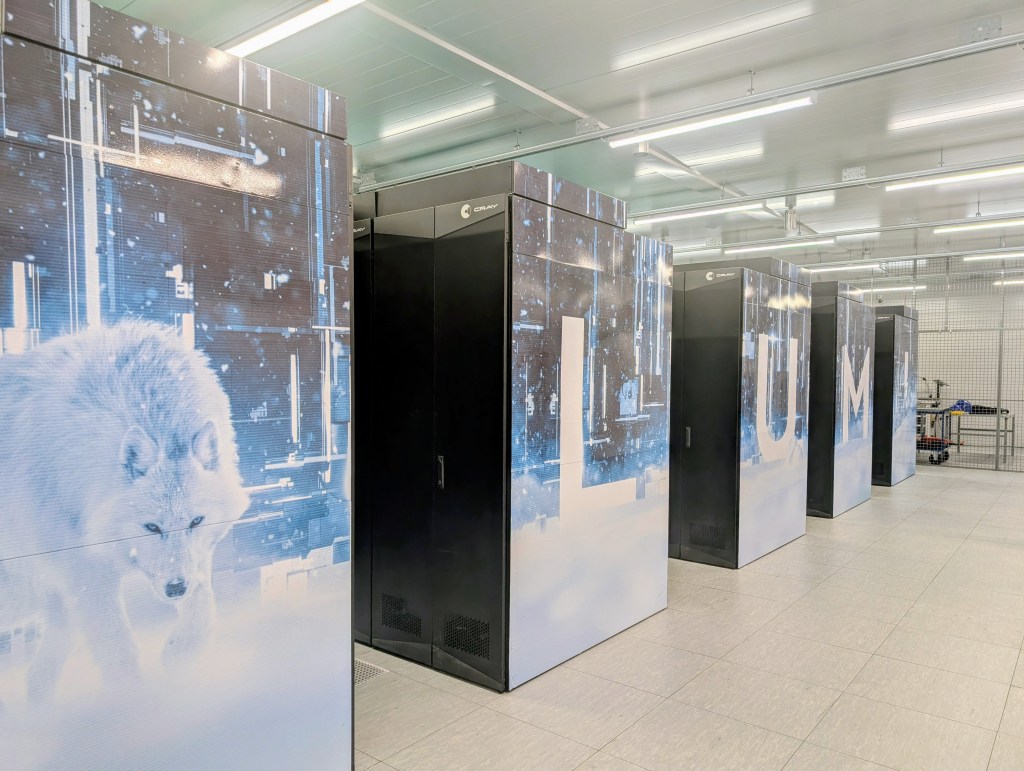
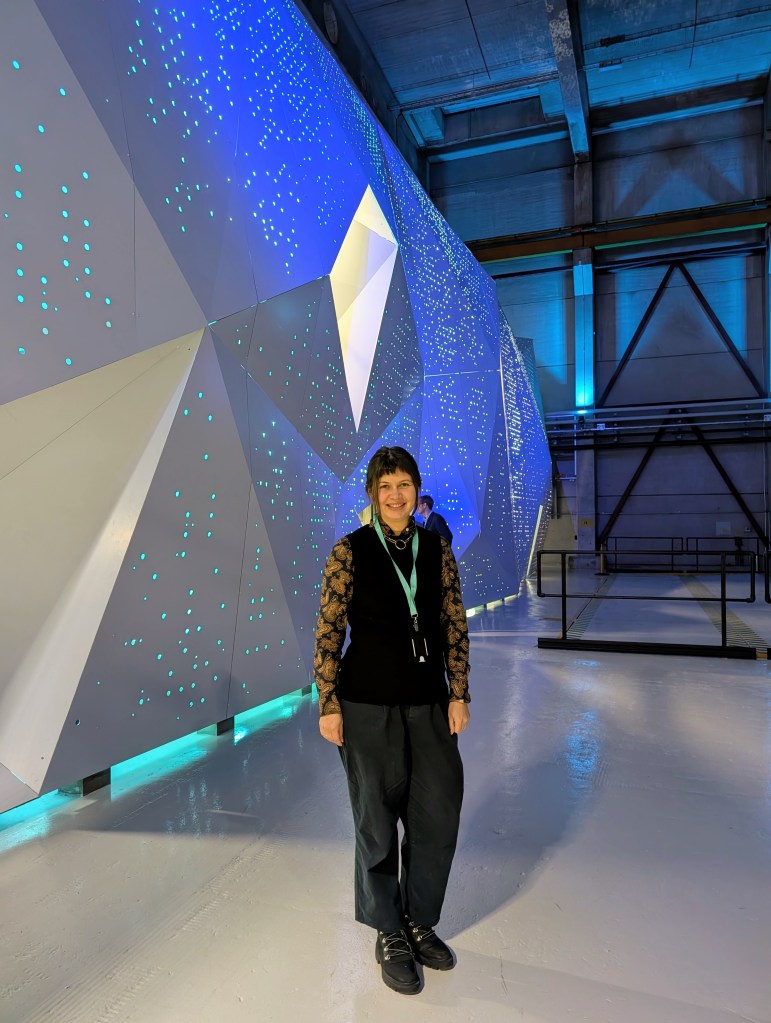
    The surface of the LUMI supercomputer looks like origami. This is a tribute to the paper mill on whose premises LUMI and several other data centres are situated. The UPM Kajaani paper mill was a reliable, long-term local employer in this northern Finnish region until it closed in 2008, leaving more than 500 people unemployed.

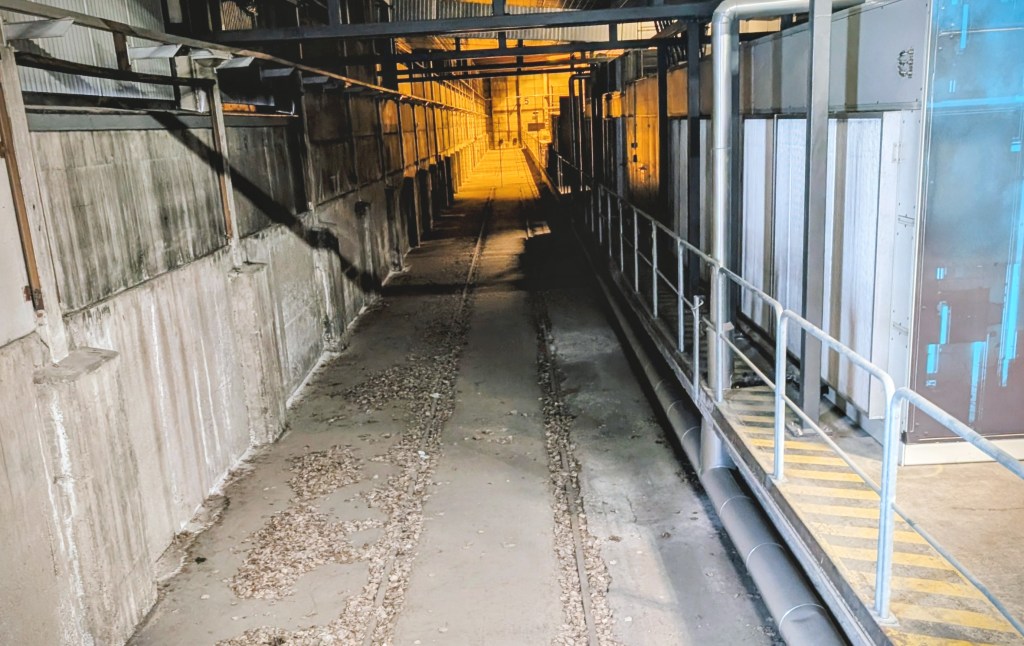
    Since 2012, the data centre industry has been occupying the former halls and storage areas of the mill. Its spirit is still felt here: in the deserted railway lines that once carried fresh paper out, in the wooden owl installation gifted to the mill by pupils of the local school, and in the old-fashioned chairs of the former factory café that now hosts data centre workers.
    (more…)
  • Beyond the Arctic as “Great White Nothing”

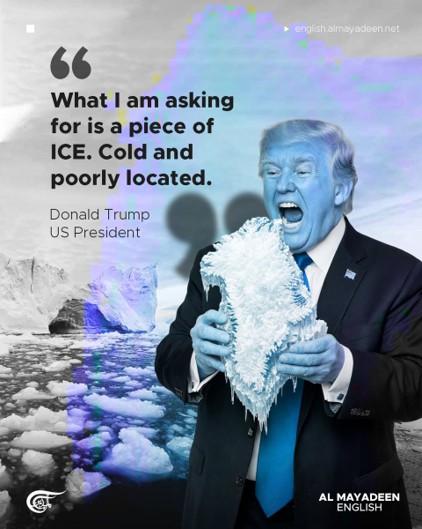
    During the heated Greenland controversy that intensified in January 2026, Donald Trump famously said: “What I’m asking for is a piece of ice, cold and poorly located… It’s hard to call it land.”

    This statement reflects a much wider and deeply rooted issue: the Arctic and sub-Arctic regions have long been imagined as “nothing” – as an “empty space” supposedly lacking meaning.

    Such harming representations continue today, as new technologies and industries once again present the North as being empty, abundant, and endlessly resourceful. It becomes easy to forget that, for many, it is a long-lived and deeply loved place.

    (more…)
  • A New Collaboration for the New Year

    2026 began with good funding news: our research-art initiative “Tar, Power, Cloud: Strengthening Resilience through Art & Citizen Science” has recently received support from the Frontiers of Arctic and Global Resilience (FRONT) profiling research programme at the University of Oulu.

    In this project, we aim to bridge ethnographic research, artistic practice, and citizen science to explore how industrial and technological development shapes human–landscape relations in the town of Muhos, just outside Oulu. I have long been interested in exploring the potential of research-art collaboration around questions of resource extraction in the Arctic. So, this feels like such an important opportunity – and hopefully (not too late for the New Year resolutions, right?), this is just the beginning.

    (more…)
  • From Tar to Data: Resource Cycles of the Oulujoki River

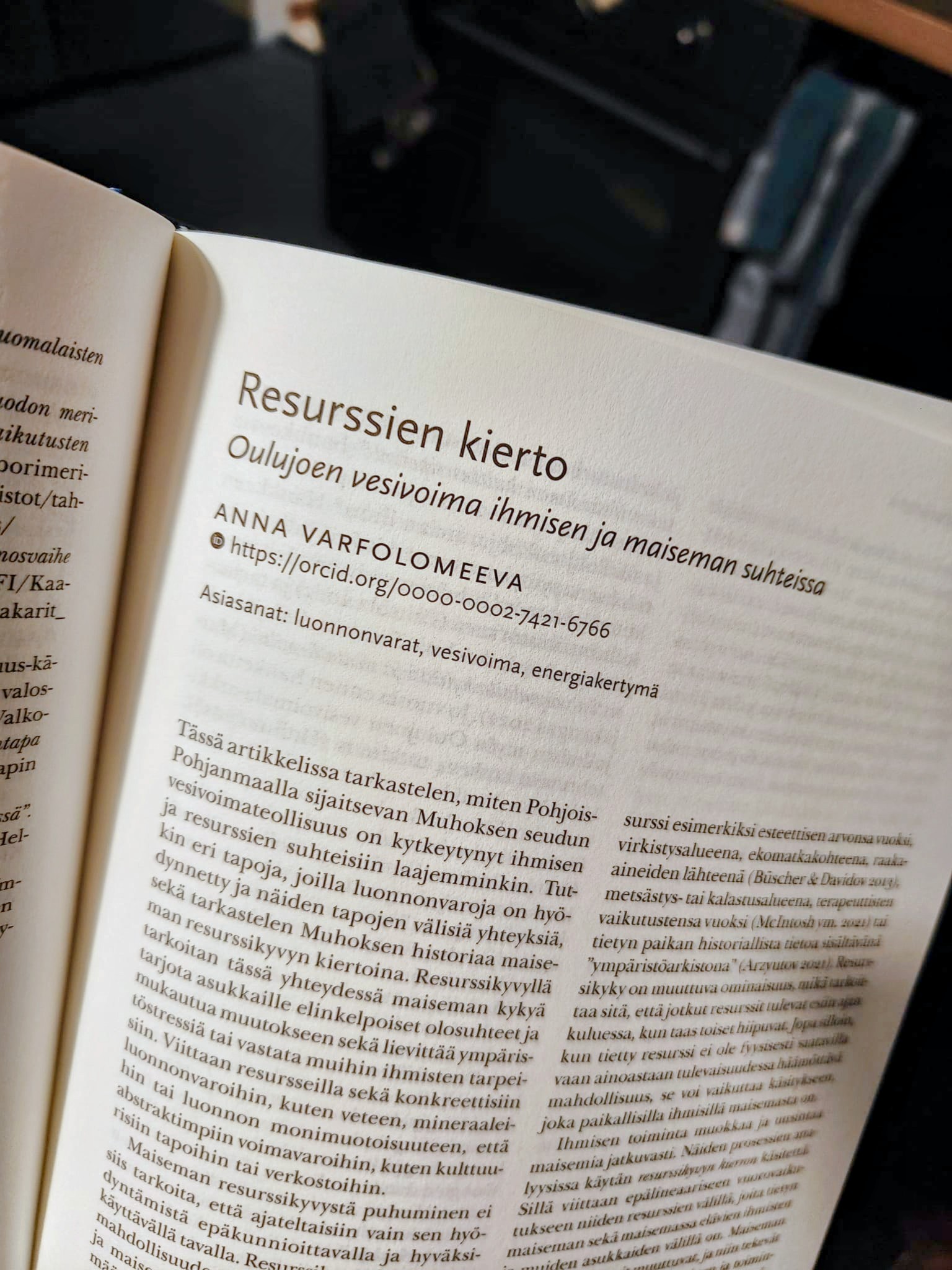
    My first publication in Finnish came out in November. This article is one of the outcomes of my Forming Resourcescape project, which was supported by an expenditure grant from the Finnish Cultural Foundation in 2024. The edited volume is titled, in English, Turns and Twists – Cultural Environmental Transformations in the North.

    (more…)
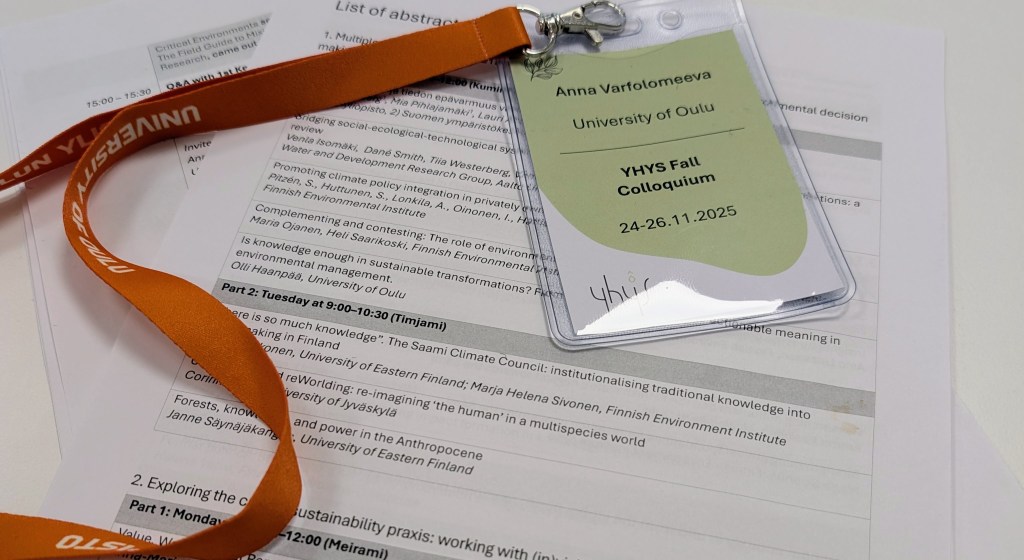
  • Beyond Words, Loss, and Failure at the YHYS Colloquium

    Last week, Oulu hosted the annual Fall colloquium of the Finnish Society for Environmental Social Science (YHYS). This was my first experience with YHYS, and although I had only just recovered from a rather fierce virus and wasn’t at my best, I was quickly drawn in by the colloquium’s vibrant atmosphere. My main sources of inspiration, however, may sound unusual: nothingness, failure, and the absence of words.

    (more…)
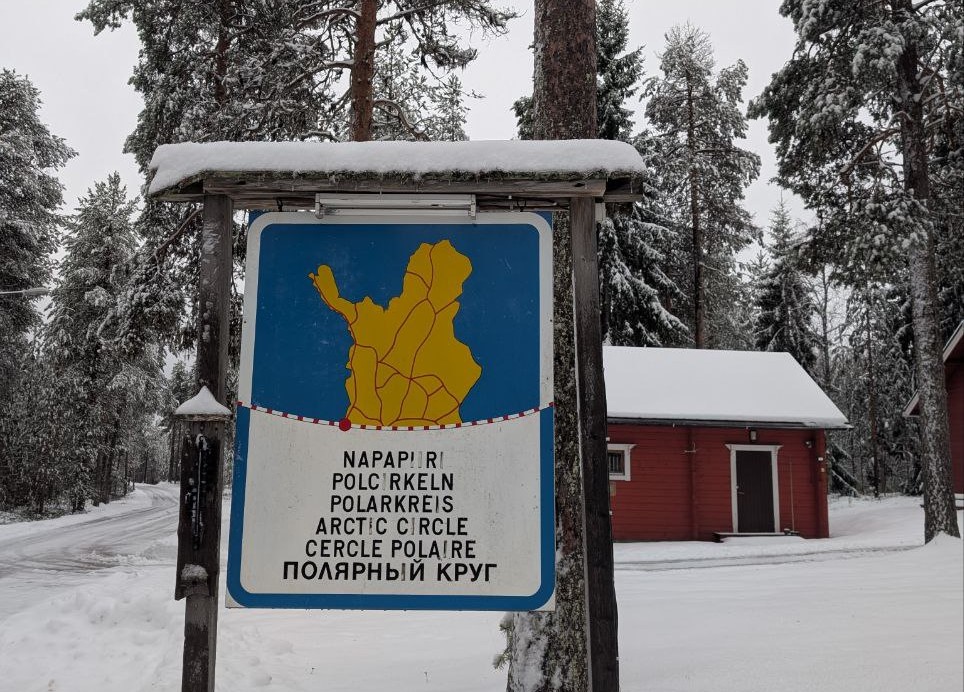
  • Notes from an Arctic retreat

    Last week, just as the grant submission emotions were finally settling down, I got to experience a bit of tourist Lapland. The project REBOUND, focusing on just green transition in the Finnish North, had a two-day workshop and retreat in a holiday village right at the Arctic Circle.

    (more…)
  • Feelings of sustainability

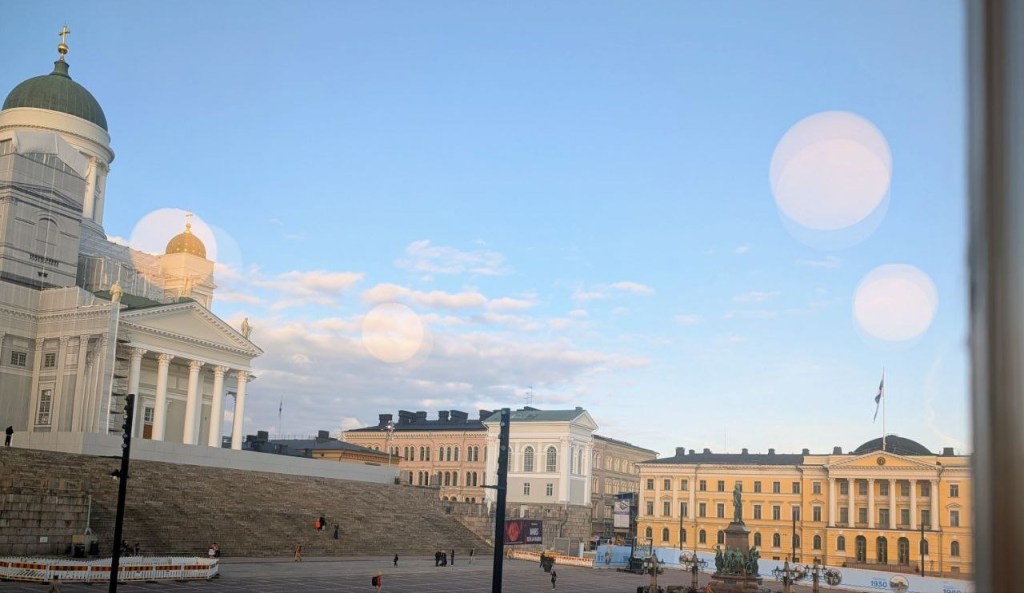
    Amidst the heat of the grant application season, it is difficult to keep up with the blog. But very cool things are happening: over the past two weeks, I have taken part in conversations on emotional practices and relations within sustainability transitions at two conferences in opposite parts of Finland.

    First, at the Science for Sustainability conference in the heart of Helsinki, we held a panel devoted to actors often marginalized in energy transition debates in the North: Indigenous residents, migrant workers, animals, and nature. Our five-minute lightning talks were followed by a discussion on just transition and belonging (including some critical remarks on whether justice for all is actually achievable).

    (more…)
  • Other worlds than these

    “Go then, there are other worlds than these.” The line from The Dark Tower came back to me when I encountered an inspiring quote by Elizabeth Povinelli that also resonates with my research:

    “But no world is actual one world. The feeling that one lives in the best condition of the world unveils the intuition that there is always more than one world in the world at any one time (Povinelli 2011, original emphasis).

    (more…)
  • A center in search of a city

    After returning from the industrial heritage congress TICCIH in Kiruna, I am still thinking and writing about company towns. So much is represented and carried through them: the search for a human-built paradise and the struggle against perceived wilderness, hopes and aspirations often followed by regrets and nostalgia. Perhaps I am fascinated by Arctic industrial settlements because they reveal something fundamental about life itself.

    (more…)
  • What a Diverse Classroom Taught Me

    The University of Oulu recently launched its Arctic Summer Programme: a series of two-week courses for international students that explore the Arctic region through lectures, discussions, and practical experiences in Northern Finland.

    This week, I taught two lectures on Indigenous notions of sustainability and human–resource relations in the Arctic to a mixed group from two courses: Arctic and Nordic Perspectives on Sustainable Development and Global Citizenship Education. The students ranged from Bachelor’s to advanced Master’s level, with backgrounds from education to engineering and nursing – an inspiring but challenging mix.

    (more…)