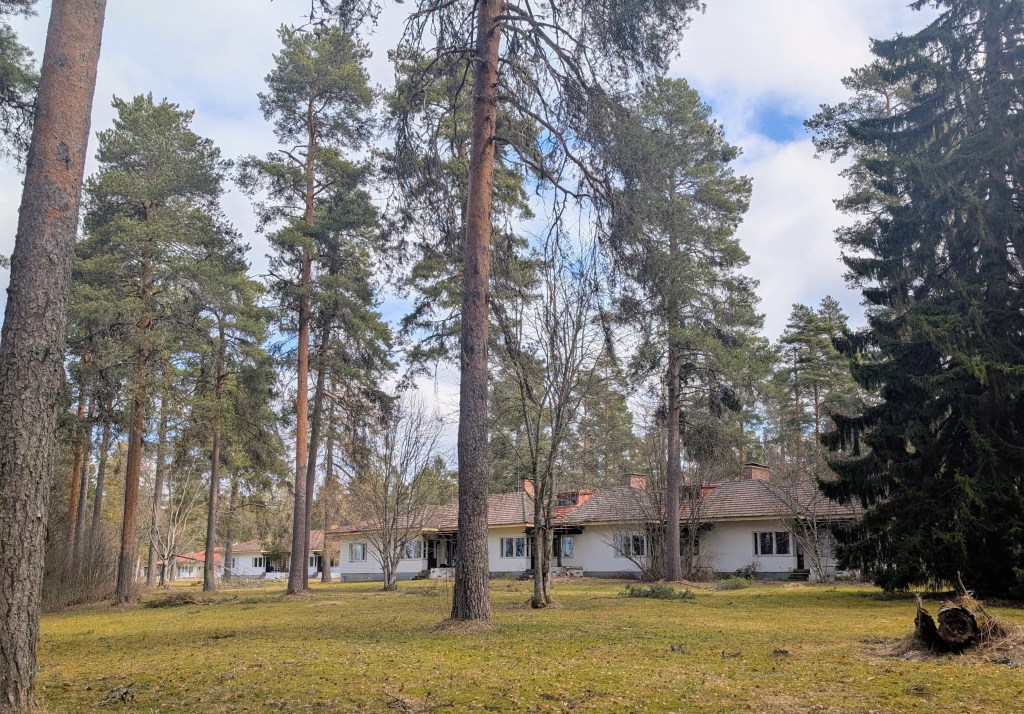
Our research-art project “Tar, Power, Data” began in March, and yesterday Kati and I made our first joint visit to Leppiniemi, a former hydropower settlement close to the new Google data centre construction site. We walked around the settlement, took photos, and spoke with several residents about their sense of community and their perceptions of future changes. One of the houses in Leppiniemi even has its own Instagram account!
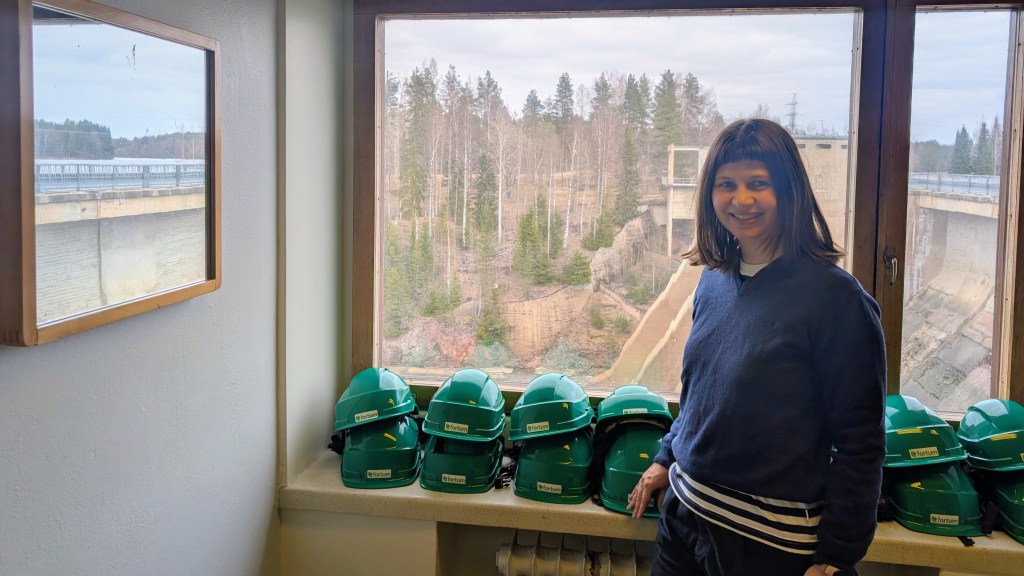
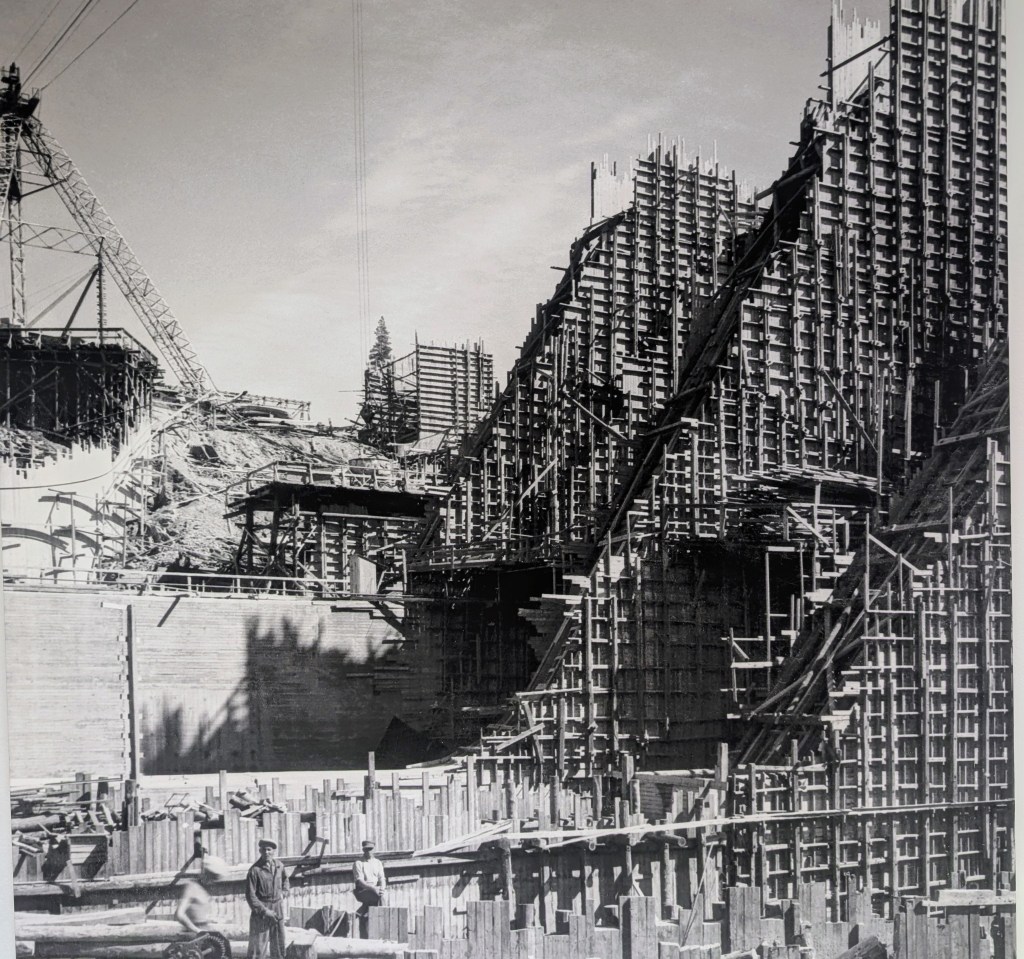
We also toured the Pyhäkoski power plant museum, which recently reopened after renovation. The exhibition spans several floors and covers a variety of subjects, from the use of concrete in the plant’s construction to fish farming as an effort to compensate for the environmental impacts of hydropower.
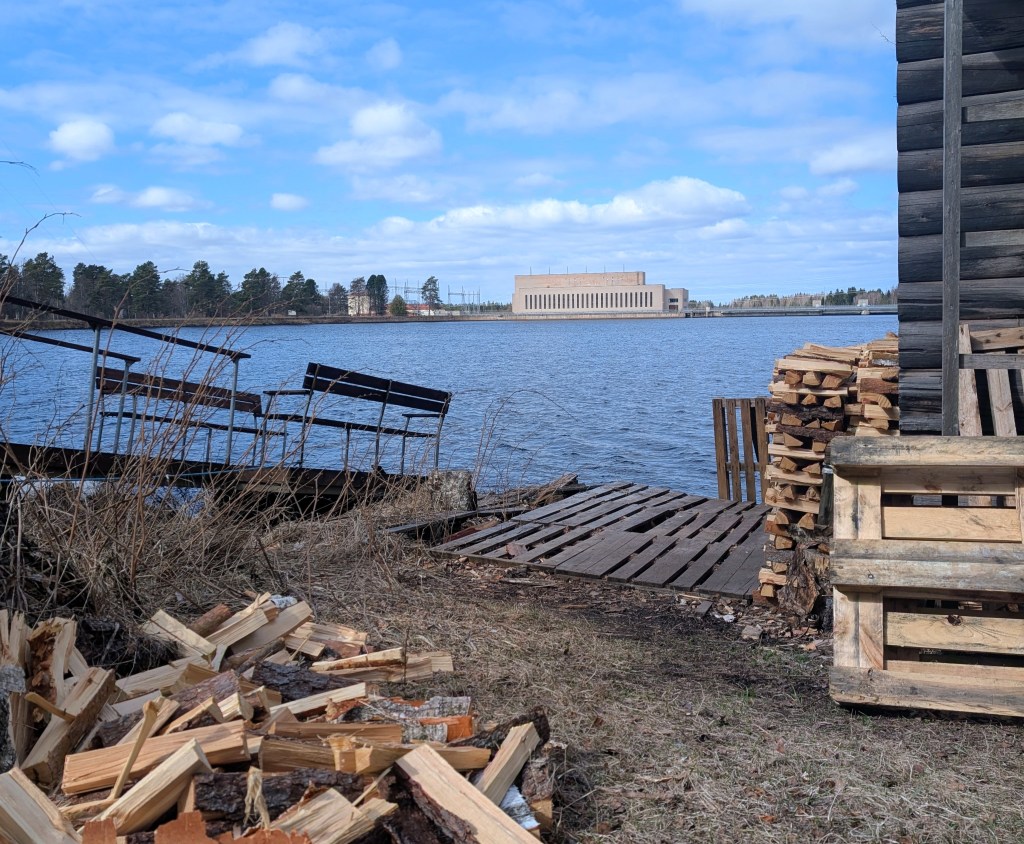
It was interesting for us both to note that the local pre-hydropower history was almost absent from the exhibition narrative. This history, however, is rich, as one of Leppiniemi’s residents pointed out, and in fact dates back to Stone Age settlements. Leppiniemi was also a well-known tourism and rafting destination, part of a tar transportation route, and an important salmon fishing area. The museum tells the story about “turning the river into power,” but little do we learn about the river beyond this role. In our project, we hope to place hydropower development within this broader web of activities along the Oulujoki River, while also looking toward the uncertain future of digital infrastructures.


Leave a Reply