Tag: education

  • Summer gratitude

    So many things have happened in the past few weeks.

    We had a wonderful two-day retreat with our AniMate more-than-human research team: talking about small wins, sharing dreams, eating good food, and listening to the sounds of nature.

    I also met many inspiring researchers during the SAFIRE Thematic Semester event Bridging Ways of Knowing, where I talked about the interconnected industrial histories of Leppiniemi and Muhos, two small settlements near Oulu.

    Later in June, together with my student assistant Julia, I visited Muhos. We chose the venue for our upcoming community workshop and visited the local museum run by volunteers.

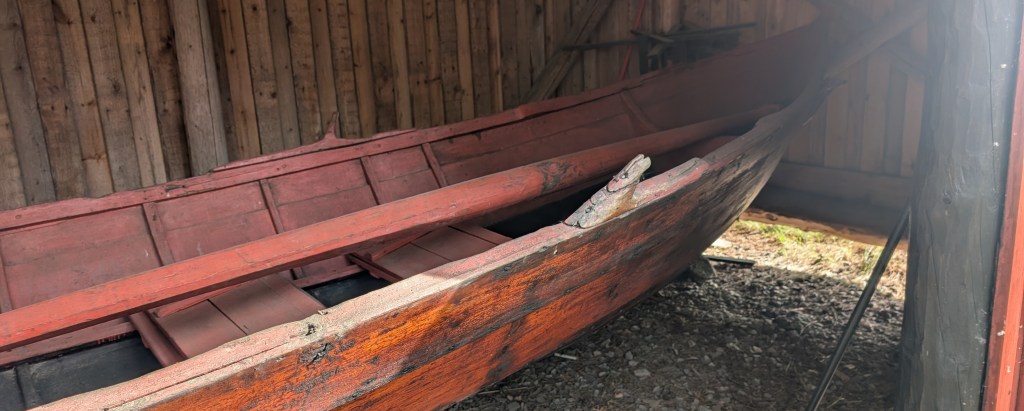
    There, next to the boat that once carried tar along the Oulujoki river, I learned that I had been awarded a four-year Academy Research Fellowship from the Finnish Research Council.
    (more…)
  • Conversations at the edge of the world

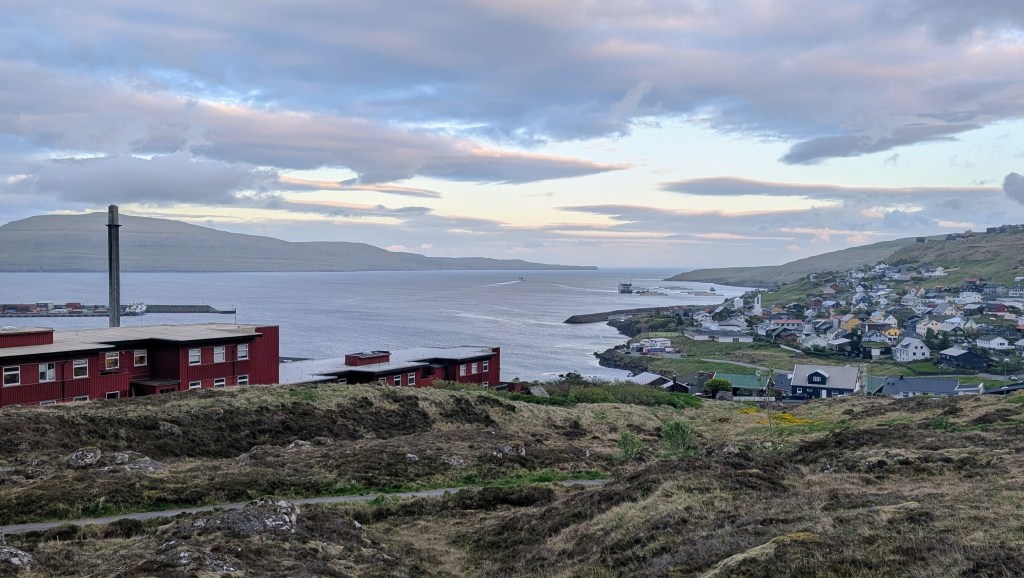
    A conference where you are slightly afraid to leave the guesthouse because of the strong wind bending low-growing trees down. A conference set amongst stunning landscapes, where fish and chips are sold next to woolen sweaters, and coinciding with a traditional Faroese whale hunt. Yes, the UArctic Congress 2026 at the Faroe Islands (sometimes referred to as The Edge of the World) was a very unique conference experience.

    My participation was seemingly straightforward: I presented my research on the impact of energy transition on more-than-human landscapes in the panel on meaningful stakeholder engagement co-organized with my colleagues from UArctic Thematic Network on Arctic Sustainable Resources. However, large academic events represent much more than a presentation slot.

    (more…)
  • The web of work

    When I was a PhD student, my supervisor told me I had a true luxury: time to concentrate on my writing. At that time, I was puzzled: I certainly did not feel privileged. However, recently I keep returning to these words as tasks interweave as a web: revisions to respond to, co-teaching, meetings, reimbursement claims, Finnish lessons, contacting local organizations for a citizen science project, and planning for upcoming deadlines.

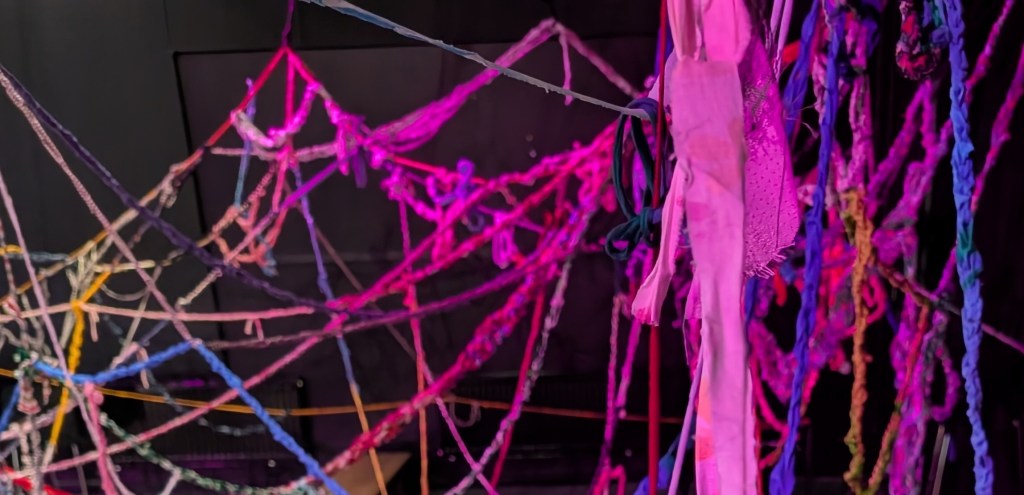
    This interweaving is especially visible after grant applications. For weeks prior to submission, I have to put other work aside. But after I click “submit,” it is hard to relax as the web of assignments reappears in my calendar and, more importantly, my mind, – resembling, in some way, my recent photos from the art-science conference side event.

    The web is an interesting metaphor, as this is also the way I think about my topic – interrelation of industries and technologies in Arctic landscapes, points of connection across times and geographies, or intersections of physical and symbolic lines. Recently, however, I have been thinking: how to approach the daily web of work as a meaningful arrangement, not a daunting accumulation of assignments?

    (more…)
  • Why citizen science?

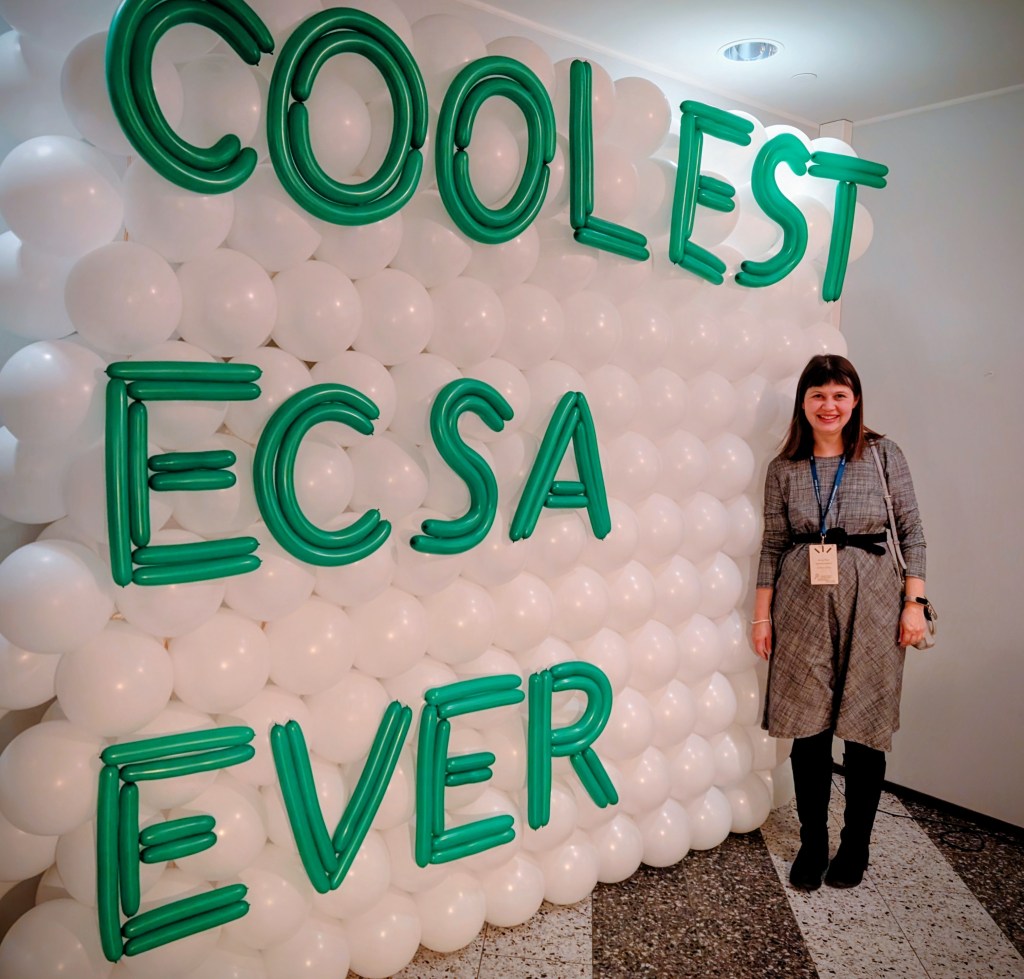
    I am quite late in reflecting on the European Citizen Science Association (ECSA) conference I attended at the beginning of March. But I still have to write this post because:

    • the conference’s welcome ceremony began with ice fishing;
    • it included a pitch by a mermaid;
    • in your free time, you could do some crocheting and think about Deleuze and Guattari at the Rhizome Salon;
    • finally, its closing featured a keynote speech by the former First Lady of Iceland, Eliza Reid, and a children’s address during which I could not hold back tears.
    • anyway, this most probably was…
    (more…)
  • Feelings of sustainability

    Amidst the heat of the grant application season, it is difficult to keep up with the blog. But very cool things are happening: over the past two weeks, I have taken part in conversations on emotional practices and relations within sustainability transitions at two conferences in opposite parts of Finland.

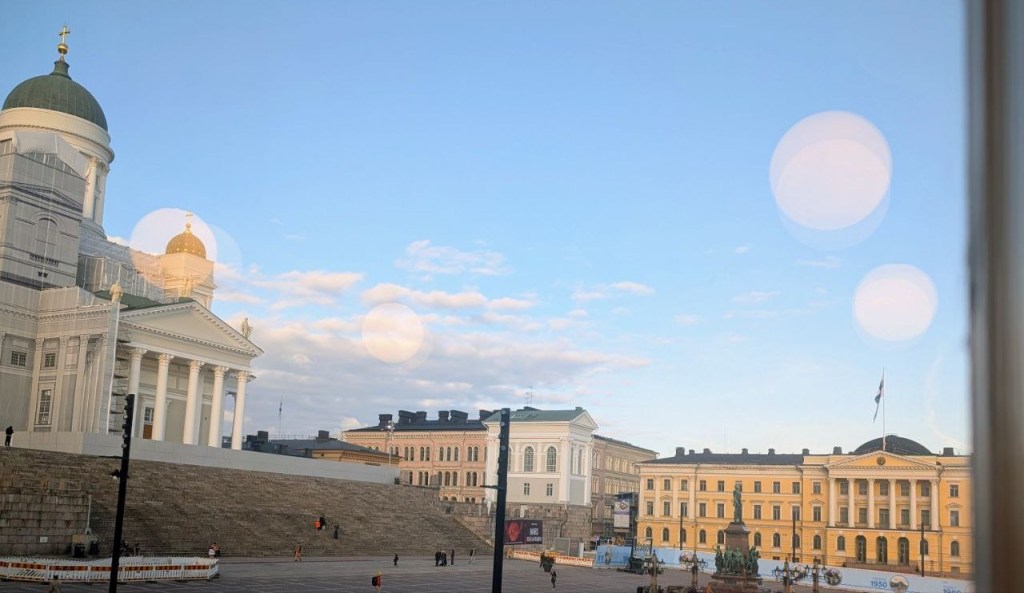
    First, at the Science for Sustainability conference in the heart of Helsinki, we held a panel devoted to actors often marginalized in energy transition debates in the North: Indigenous residents, migrant workers, animals, and nature. Our five-minute lightning talks were followed by a discussion on just transition and belonging (including some critical remarks on whether justice for all is actually achievable).

    (more…)
  • Other worlds than these

    “Go then, there are other worlds than these.” The line from The Dark Tower came back to me when I encountered an inspiring quote by Elizabeth Povinelli that also resonates with my research:

    “But no world is actual one world. The feeling that one lives in the best condition of the world unveils the intuition that there is always more than one world in the world at any one time“ (Povinelli 2011, original emphasis).

    (more…)
  • Reconnecting with Hungary

    As busy May comes to an end, it’s time to recap my recent two-week research visit to the Center for Contemporary Challenges at the University of Pécs in Hungary, hosted by Dr. Judit Farkas. This visit was generously supported by a mobility grant from the Frontiers of Arctic and Global Resilience (FRONT) research program at the University of Oulu.

    I had not been to Hungary since my PhD defense at Central European University, so I saw this visit as an opportunity to reconnect with the Hungarian research environment. The history of higher education in Pécs dates back to 1367, and, as you can see, the main university building looks quite a bit like Hogwarts (and feels like a labyrinth at times, too).

    (more…)
  • Teaching the Arctic in the midst of a pandemic

    Five years ago, I was preparing to teach my first Arctic-themed course.

    Spring 2020 was a difficult time for many, myself included. I had just come out of hospital quarantine after being one of the first diagnosed COVID-19 patients in my region (I’ve documented this experience here). My university was frantically switching to online teaching. For the first time in my life, I was giving lectures from my kitchen to a sea of black Zoom squares, with only the occasional student face appearing. How could I keep them interested? Why should they even care about permafrost or Indigenous identity when the world around them seemed to be collapsing?

    (more…)